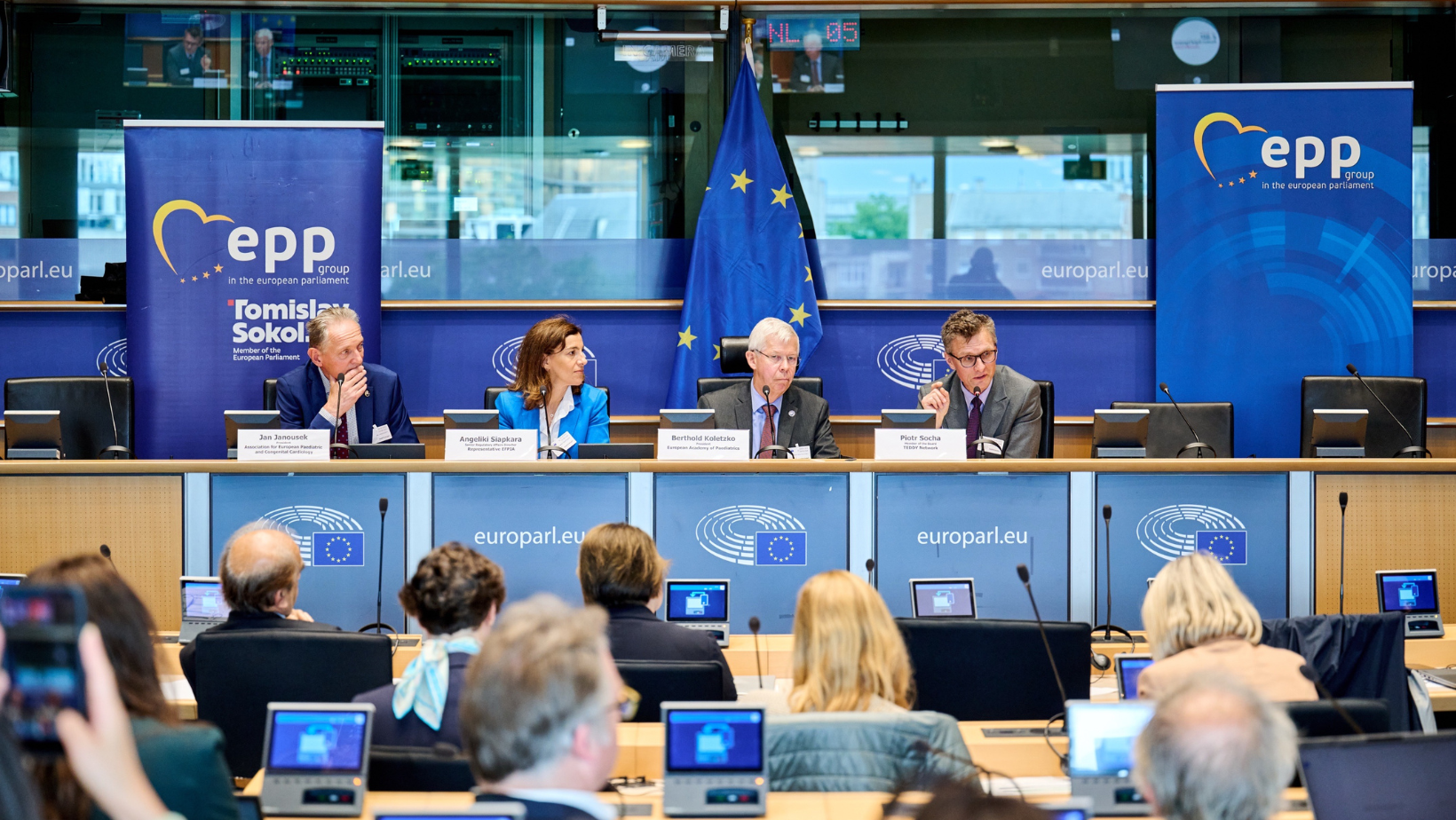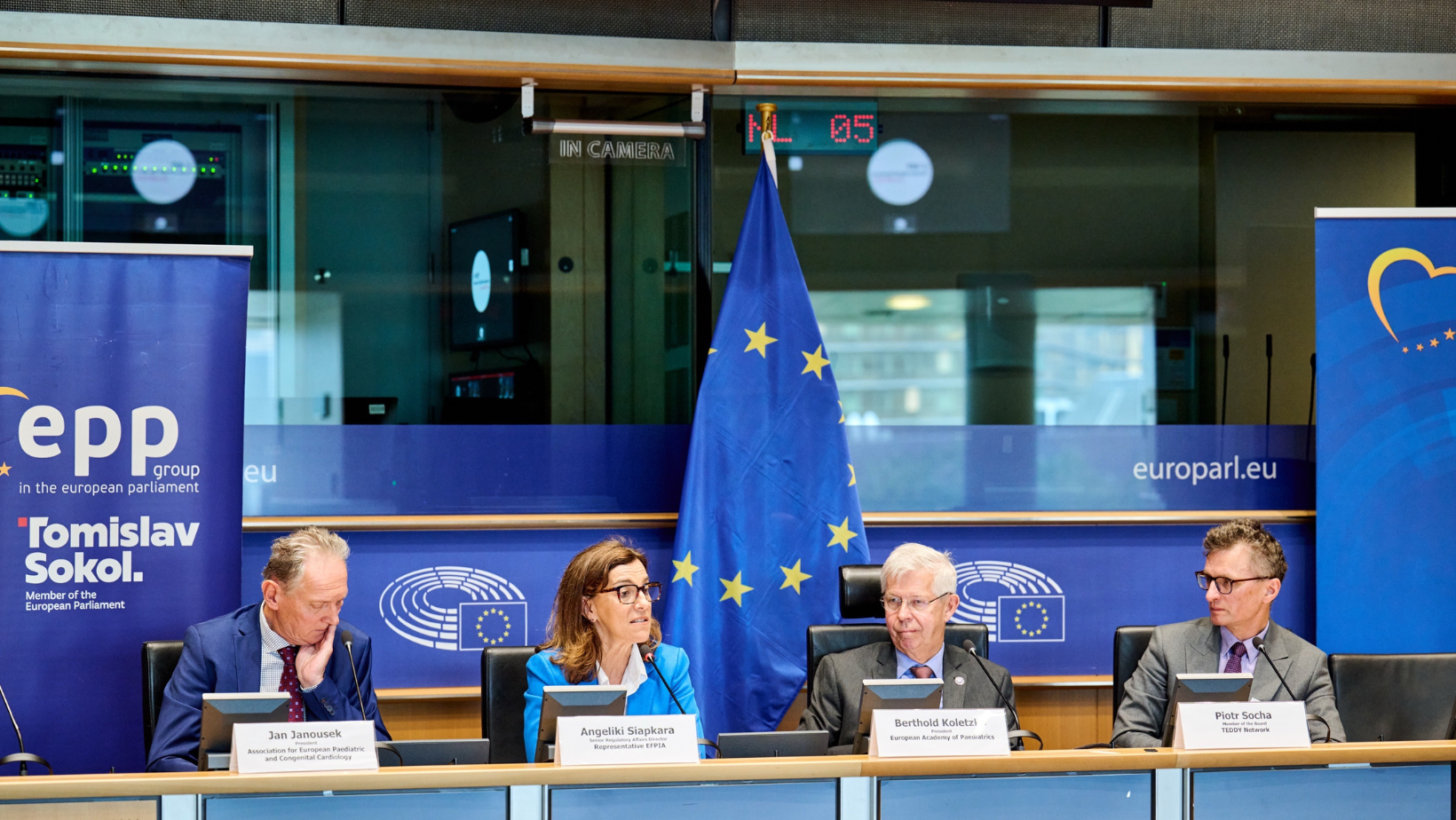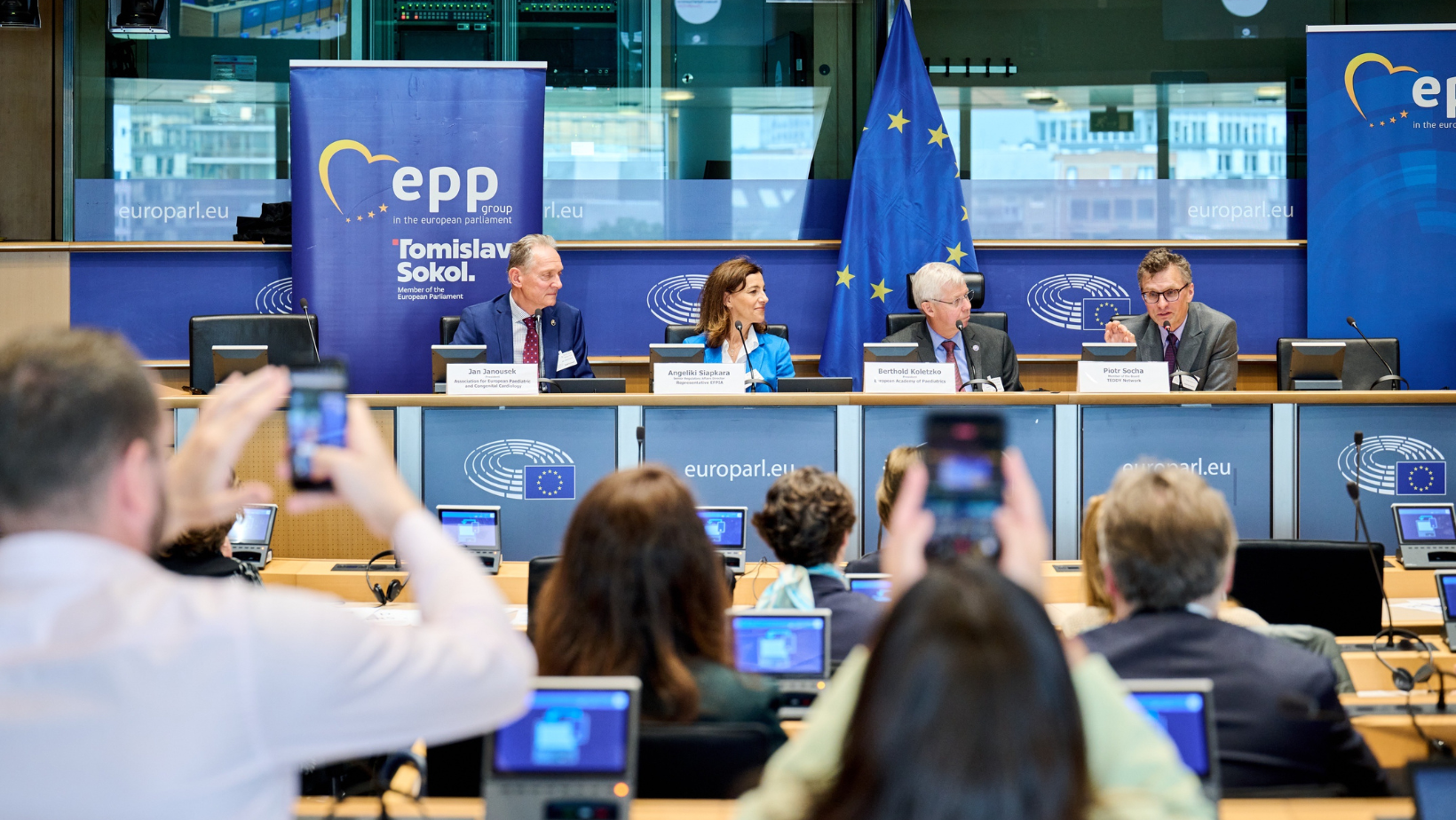
On 4 June 2026, during Paediatric Awareness Day at the European Parliament, research funding policy was discussed. The Children’s Memorial Health Institute (CMHI) is involved in the legislative process, advocating for the interests of paediatric patients within the European Parliament.
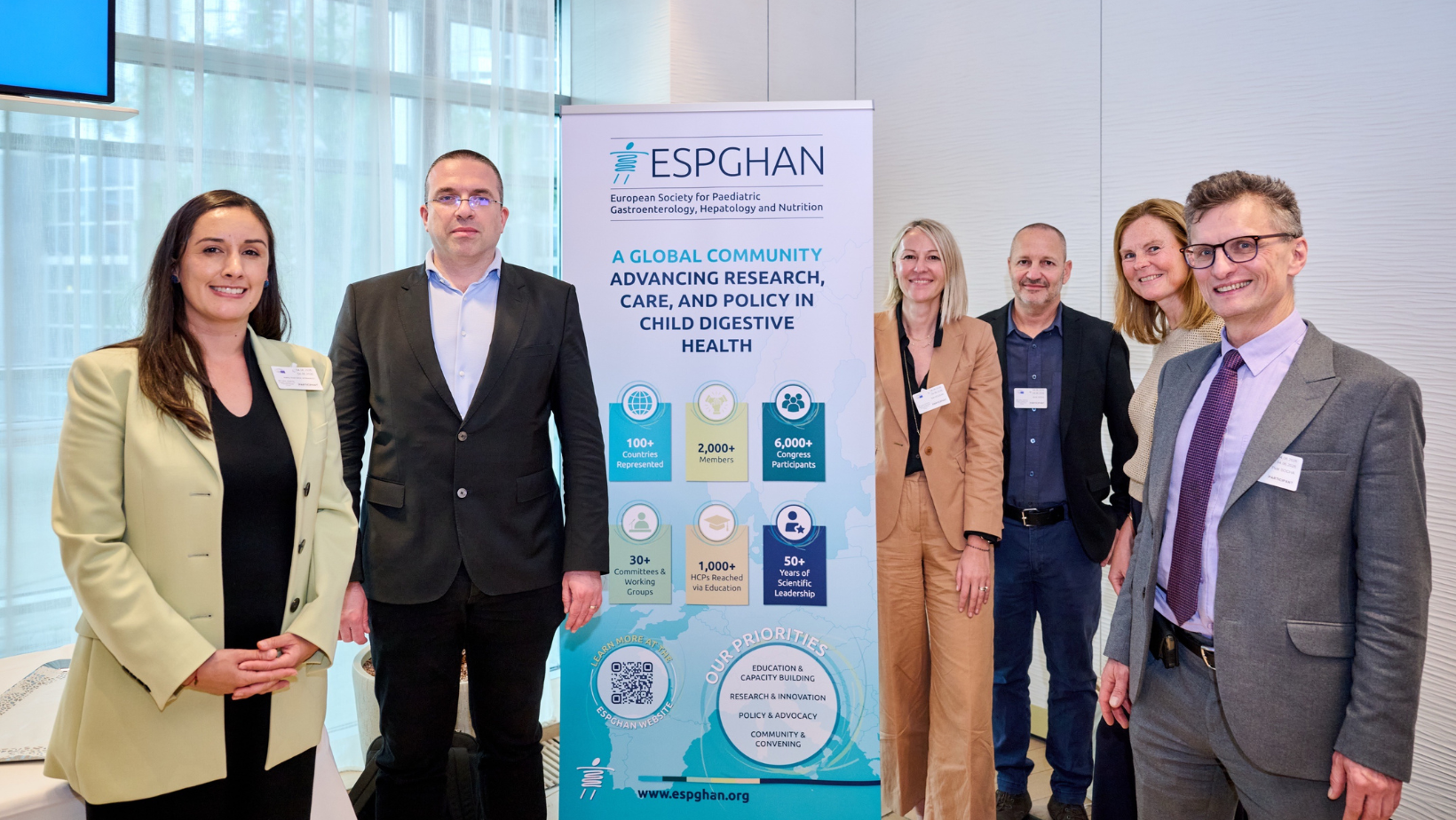
The European Society for Paediatric Gastroenterology, Hepatology and Nutrition (ESPGHAN) initiated the discussion together with four other European paediatric societies. Members of the European Parliament, representatives of the European Commission, doctors, researchers and partners in the health sector gathered around the same table. This was significant because decisions on research and funding taken at European level quickly translate into the day-to-day care of children in individual countries.
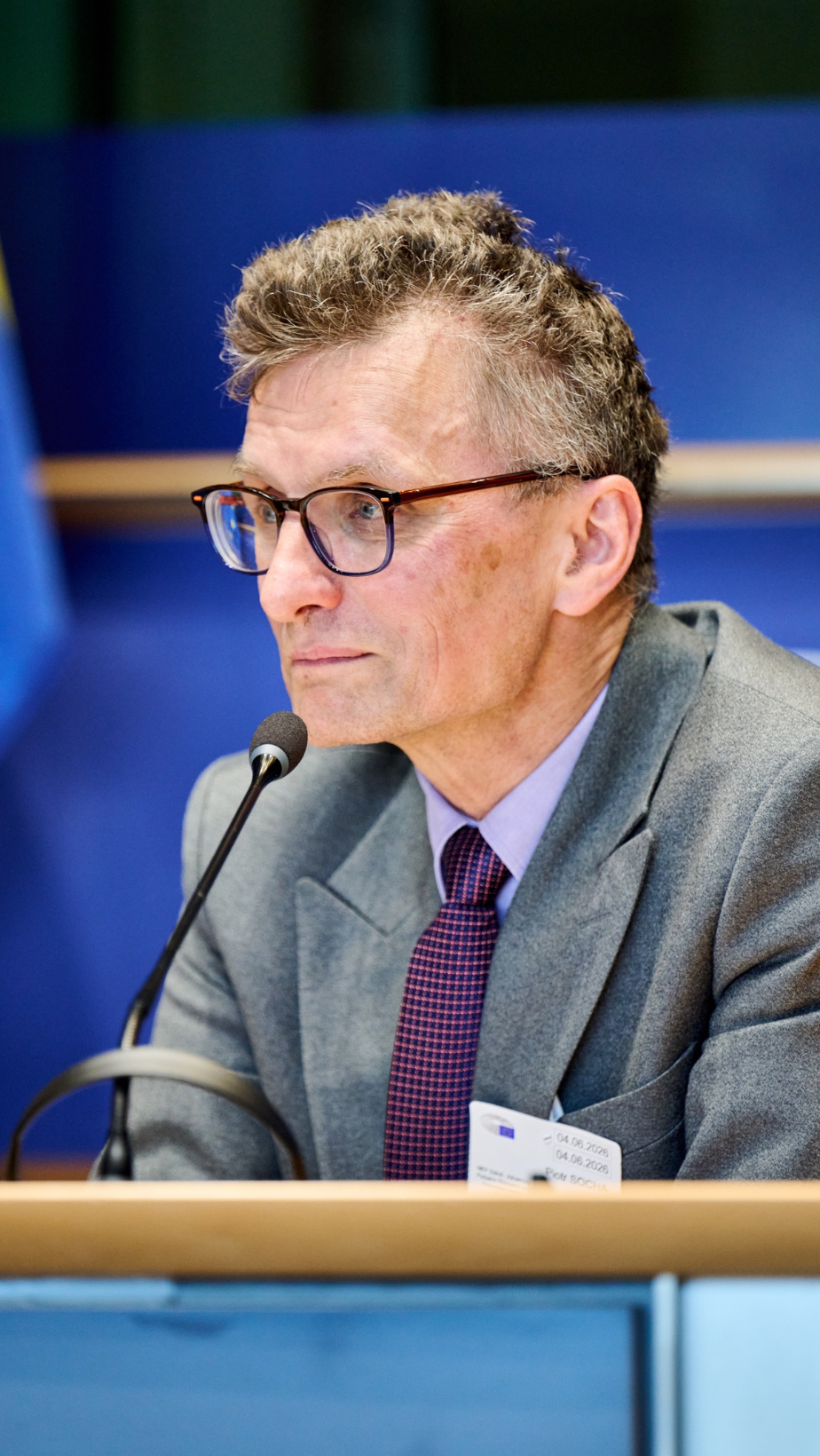
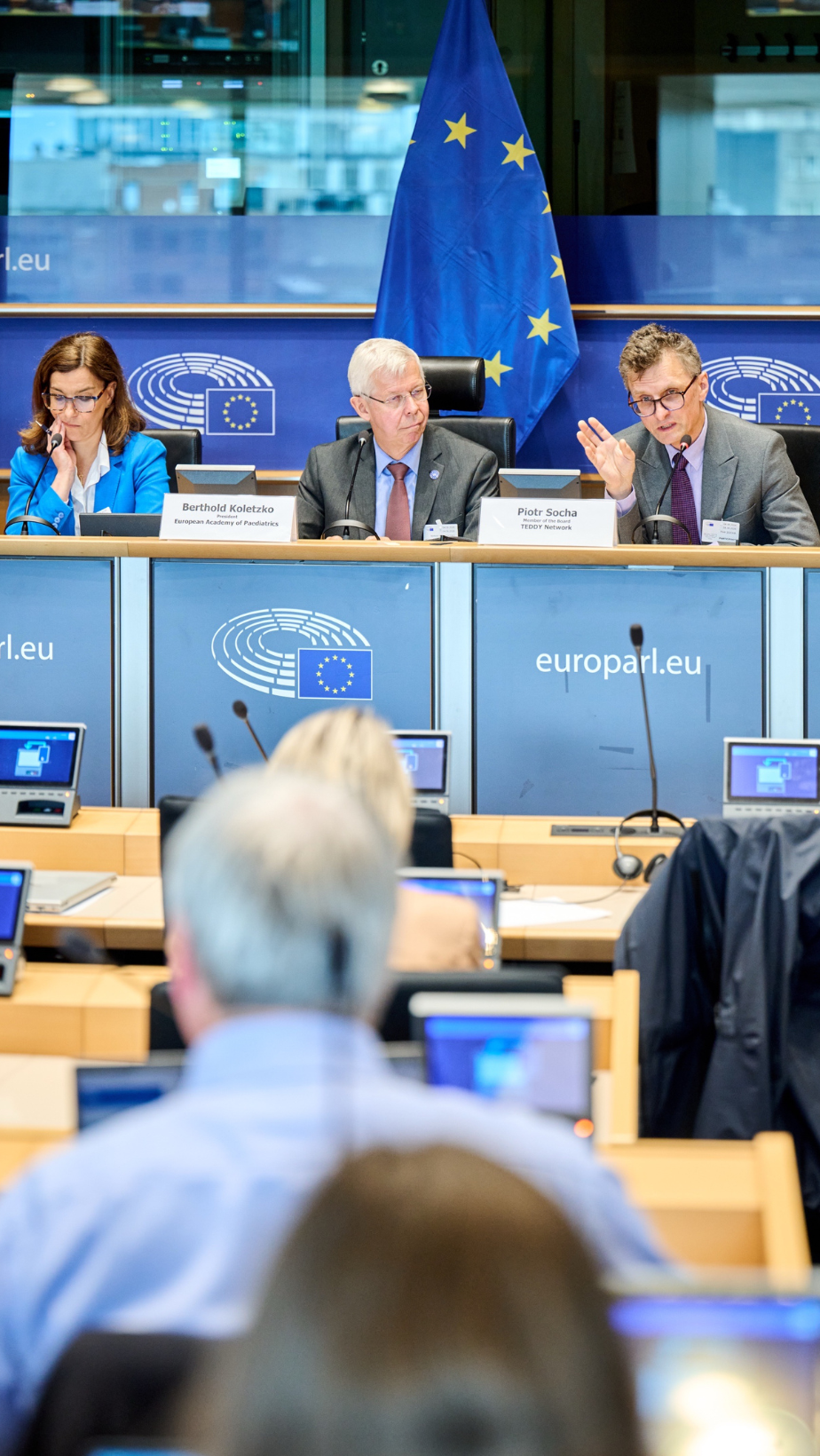
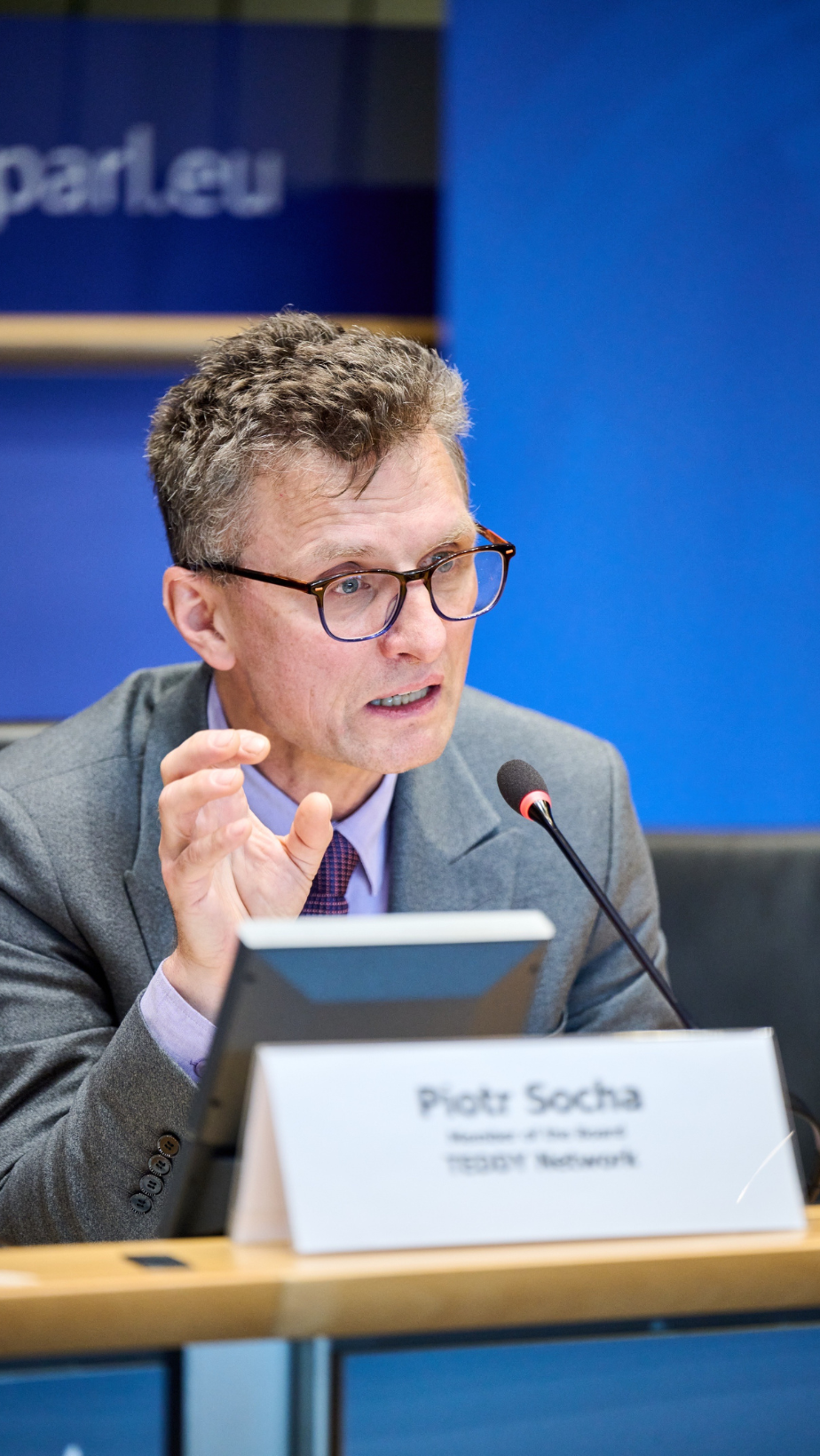
The Deputy Director for Research at the CMHI, Prof. Piotr Socha – a professor of paediatrics, paediatric gastroenterologist and hepatologist, and treasurer of ESPGHAN – was a panellist at the session ‘From Vision to Action – Building the FP10 Paediatric Research Agenda’. The meeting’s programme was structured to move from identifying the problem to concrete actions. The first part focused on why children need research designed specifically for them: from prevention and environmental influences to medicines, medical devices and digital tools.
The second part focused on another major European Union programme funding research, known as FP10. The common aim was to draw up recommendations that would help make children’s health a clear priority in European decision-making.
The key message was simple: children are not ‘little adults’. Their bodies are growing and maturing, and they react differently to medicines, diet, lifestyle, medical devices and environmental factors. Therefore, the results of studies conducted exclusively on adults cannot be automatically extrapolated to the youngest patients. When paediatric studies are lacking, new therapies and technologies reach children later, and are sometimes used without sufficiently reliable data on safety and efficacy.
In his speech, Professor Socha highlighted examples of European projects that have demonstrated the value of putting children first from the outset. Research into infant nutrition has helped to understand how the first months of life influence the risk of obesity later in life. Prevention programmes for pre-school children have shown that healthy habits are formed within the family, at nursery, in pre-school and at school. Meanwhile, work on less invasive diagnostics for liver diseases served as a reminder that children need methods that are safe, age-appropriate and as minimally invasive as possible.
That is why paediatricians have called for FP10 to include separate funding for children’s needs: European clinical trial networks, rare disease registries, drug research, the safe testing of medical devices, digital tools and long-term treatment evaluation. It is also important to measure not only laboratory results, but what really matters to the child and their family: healthy development, quality of life, learning at school, reduced pain, less invasive tests and safety over the long term.
The meeting was an important step, as it brought together doctors, researchers and policymakers around a single goal: to ensure that European health policy recognises children as a distinct group of patients requiring special care. Investment in paediatric research is not an add-on to adult medicine. It is an investment in healthier children today and healthier adults tomorrow. If we want medicine to be truly equitable, children must be included in research from the outset, rather than merely as a later addition to projects for adults.
The panel ‘Children in the Current EU Health Policy: Advancing Paediatric Research and Prevention Across Europe’ – Shape Europe’s Future for Children’s Health – was chaired by: the European Society of Paediatric Gastroenterology, Hepatology and Nutrition (ESPGHAN); the European Society for Paediatric Endocrinology; the European Academy of Paediatrics (EAP); and the Association for European Paediatric and Congenital Cardiology (AEPC).